

Pearl Dental Blog

Urgent Dental Issue in Culver City: Is Visiting the ER an Option?
Dental emergencies can strike at the most inconvenient times—late at night, during weekends, or when your regular dentist is unavailable. Whether it’s a severe toothache, a knocked-out tooth, or sudden swelling, the pain and uncertainty can be overwhelming. Many people wonder: Should I go to the emergency room or contact an Emergency Dentist Culver City?
Understanding your options can help you act quickly, relieve pain, and protect your oral health. In this guide, we’ll walk you through when the ER is appropriate, when a dentist is the better choice, and what you can expect during urgent dental care.
What Is a Dental Emergency?
A dental emergency refers to any oral health issue that requires immediate attention to stop bleeding, relieve severe pain, or save a tooth. These situations often involve trauma, infection, or sudden damage that cannot wait for a routine appointment.
Common dental emergencies include:
- Severe, persistent toothache
- Knocked-out (avulsed) tooth
- Broken or cracked teeth
- Swelling in the gums or face
- Abscess or infection
- Uncontrolled bleeding in the mouth
In many cases, an Emergency Dentist Culver City is best equipped to handle these issues promptly and effectively.
ER vs. Emergency Dentist: What’s the Difference?
When the ER May Be Necessary
Emergency rooms are designed to handle life-threatening conditions. You should consider going to the ER if your dental issue involves:
- Severe facial swelling affecting breathing
- High fever with dental pain
- Uncontrolled bleeding
- Trauma to the jaw or face (possible fractures)
In these cases, the ER can stabilize your condition and manage pain or infection.
When to Visit an Emergency Dentist
For most dental issues, an Emergency Dentist Culver City is the better choice because they can directly treat the root cause.
Situations best handled by a dentist:
- Toothaches and sensitivity
- Broken, chipped, or cracked teeth
- Lost fillings or crowns
- Abscesses without severe systemic symptoms
- Knocked-out teeth (time-sensitive treatment)
Dentists have specialized tools and expertise to restore teeth, relieve pain, and prevent complications.
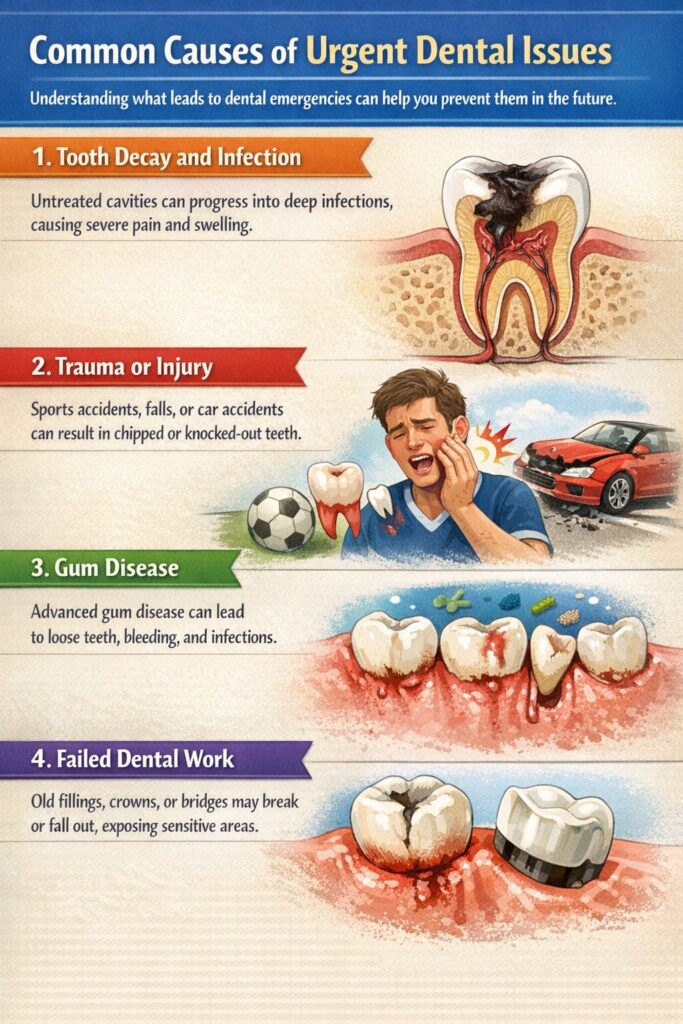
Common Causes of Urgent Dental Issues
Understanding what leads to dental emergencies can help you prevent them in the future.
1. Tooth Decay and Infection
Untreated cavities can progress into deep infections, causing severe pain and swelling.
2. Trauma or Injury
Sports accidents, falls, or car accidents can result in chipped or knocked-out teeth.
3. Gum Disease
Advanced gum disease can lead to loose teeth, bleeding, and infections.
4. Failed Dental Work
Old fillings, crowns, or bridges may break or fall out, exposing sensitive areas.
Why Timely Treatment Matters
Ignoring a dental emergency can lead to serious consequences. Prompt care offers several benefits:
- Pain relief: Immediate treatment reduces discomfort quickly
- Tooth preservation: Early action can save a damaged or knocked-out tooth
- Infection control: Prevents the spread of bacteria to other parts of the body
- Cost savings: Early treatment is often less expensive than advanced procedures
Choosing an Emergency Dentist Culver City ensures targeted care that addresses both symptoms and underlying causes.
Signs You Should Seek Immediate Dental Care
Not all dental issues feel urgent—but some signs should never be ignored.
Look out for:
- Sharp, throbbing tooth pain
- Swelling in the gums, jaw, or face
- Pus or bad taste in the mouth (possible infection)
- Loose or displaced teeth
- Bleeding that doesn’t stop
- Sensitivity to hot or cold that lingers
If you notice any of these symptoms, it’s best to contact a dental professional right away.
What to Expect During an Emergency Dental Visit
Visiting an Emergency Dentist Culver City may feel stressful, but the process is typically straightforward and patient-focused.
Initial Assessment
The dentist will examine your mouth, review symptoms, and may take X-rays to identify the issue.
Pain Management
Immediate steps are taken to relieve discomfort, such as numbing the area or prescribing medication.
Treatment
Depending on the problem, treatment may include:
- Filling or repairing a damaged tooth
- Root canal therapy for infection
- Tooth extraction (if necessary)
- Reattaching or stabilizing a knocked-out tooth
Follow-Up Care
You may need additional appointments to complete treatment and ensure proper healing.
Source: MedStar Health
Recovery and Aftercare Tips
Proper aftercare plays a key role in healing and preventing further issues.
- Follow all post-treatment instructions carefully
- Take prescribed medications as directed
- Avoid hard or sticky foods temporarily
- Maintain good oral hygiene (gentle brushing and rinsing)
- Attend follow-up appointments
Additionally, applying a cold compress can help reduce swelling, while rest supports faster recovery.
Why Choose Pearl Dental Culver City
When facing a dental emergency, trust and reliability matter. Pearl Dental Culver City, located in Los Angeles, CA 90066, focuses on patient-centered care with a calm and supportive approach.
Patients benefit from:
- Prompt scheduling for urgent cases
- Modern diagnostic and treatment techniques
- A compassionate team that prioritizes comfort
- Clear communication about treatment options
The goal is to provide timely, effective care that helps patients feel at ease during stressful situations.
Take Action: Don’t Ignore Dental Emergencies
Dental emergencies rarely resolve on their own—and delaying care can make things worse. While the ER has its place for severe or life-threatening conditions, most dental problems are best handled by a qualified dentist.
If you’re experiencing pain, swelling, or damage, don’t wait. Schedule your appointment today with an Emergency Dentist Culver City to get the care you need and protect your smile.
Common Patient Questions
Can the ER fix my tooth?
Emergency rooms can manage pain and infection, but they typically cannot perform dental procedures like fillings or root canals.
How quickly should I act for a knocked-out tooth?
Immediately—ideally within 30–60 minutes. Quick action increases the chances of saving the tooth.
Is a toothache always an emergency?
Not always, but severe or persistent pain should be evaluated promptly to prevent complications.
What should I do before seeing a dentist?
Rinse your mouth with warm saltwater, avoid chewing on the affected side, and use a cold compress for swelling.
Can dental infections be dangerous?
Yes. If untreated, infections can spread and lead to serious health issues, making timely care essential.