

Pearl Dental Blog
Invisalign vs. Braces for Adults in El Segundo, CA
Choosing between Invisalign and traditional braces is a big decision for adults in El Segundo. Both options straighten teeth effectively, but they work very differently. When weighing Invisalign vs. braces for adults in El Segundo, factors like comfort, appearance, and lifestyle all matter. This guide breaks down each option so you can make a confident, informed choice.
How Invisalign and Traditional Braces Actually Work
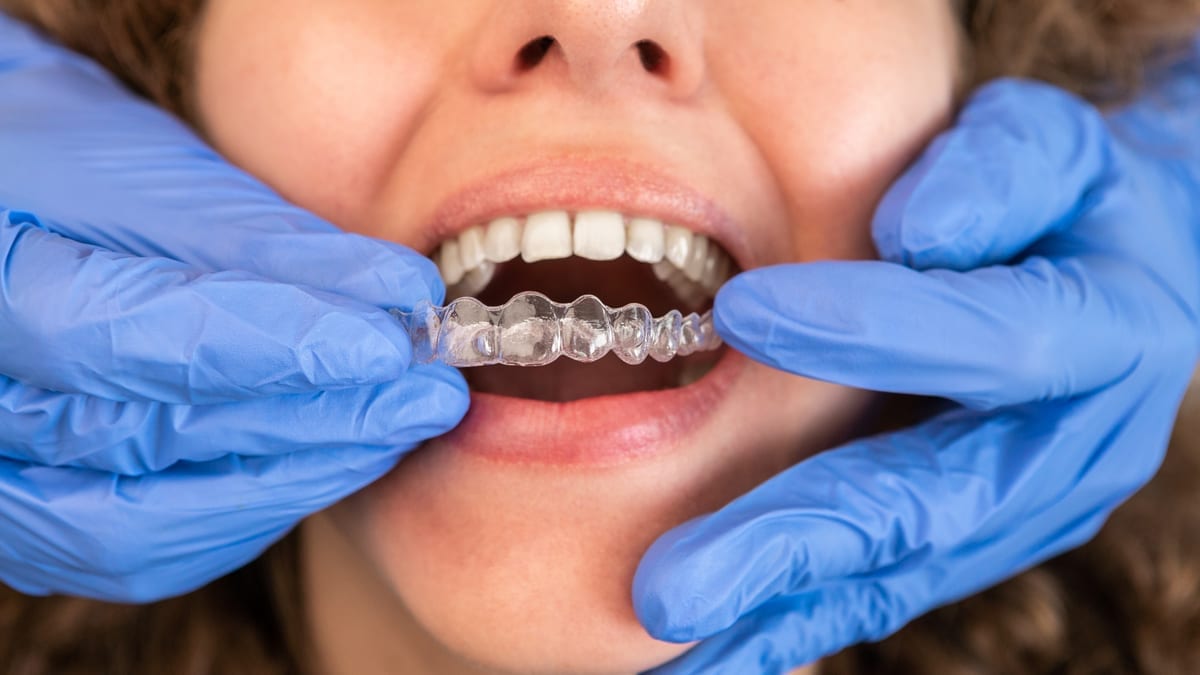
Invisalign uses a series of clear, removable plastic aligners. You swap to a new set roughly every one to two weeks. Each set gradually shifts your teeth into the desired position. There are no wires, no brackets, and no metal involved.
Traditional braces use metal or ceramic brackets bonded directly to your teeth. Archwires connect the brackets and apply steady pressure over time. Your orthodontist or dentist adjusts them periodically throughout treatment. Both systems move teeth through the same biological process — controlled, consistent pressure.
The key difference lies in how that pressure is delivered. Invisalign relies on precision-fit trays custom-made from digital scans. Braces rely on mechanical adjustments made in the dental chair. Understanding this distinction helps adults evaluate which approach fits their daily life.
Invisalign vs. Braces: Comfort, Appearance, and Daily Life for El Segundo Adults
For most adults, appearance is the first concern. Invisalign aligners are nearly invisible when worn. Most people around you will not notice them at all. Traditional braces, even ceramic ones, are more noticeable.
Comfort is another major factor in this comparison. Invisalign trays have smooth edges and no sharp metal components. Braces can cause irritation to cheeks and gums, especially after adjustments. Many adult patients at Pearl Dental El Segundo report that aligners feel more comfortable day to day.
Removability also changes how you experience daily life. You take Invisalign out to eat, drink, brush, and floss. This means no food restrictions and easier oral hygiene. Braces are fixed in place, which makes cleaning more involved and restricts certain foods.
- Invisalign: Nearly invisible, removable, smooth plastic material
- Braces: More visible, fixed in place, metal or ceramic brackets
- Invisalign: No dietary restrictions during treatment
- Braces: Avoid hard, sticky, or chewy foods throughout treatment
- Invisalign: Easier daily brushing and flossing routine
- Braces: Require special tools like floss threaders and interdental brushes
Treatment Scope: What Each Option Can and Cannot Fix
Braces have a longer track record for treating complex orthodontic cases. Severe crowding, significant bite problems, and large gaps often respond well to braces. Orthodontists have used them for decades to address challenging alignment issues.
Invisalign technology has advanced dramatically in recent years. Modern aligners can now treat many moderate to complex cases effectively. However, some severe bite corrections or tooth rotations still respond better to braces. Dr. Alex Boudaie evaluates each patient individually to recommend the right approach.
Adults with bridgework, veneers, or other restorations need special consideration. Invisalign aligners work around most existing dental work without issue. Braces may require modifications depending on what restorations are present. A thorough consultation at Pearl Dental El Segundo ensures the right fit for your unique situation.
If you are also considering cosmetic upgrades like Veneers, timing matters. Your dentist may recommend completing orthodontic treatment before placing veneers. This ensures veneers are fitted to teeth in their final position.
Compliance, Treatment Time, and Cost Considerations
Invisalign requires strong personal commitment. You must wear aligners for 20 to 22 hours per day for treatment to work. Skipping wear time extends treatment and reduces results. Adults who are motivated and disciplined tend to do very well with Invisalign.
Braces work continuously without relying on patient compliance. They are always on and always working. This makes them a reliable choice for patients who worry about forgetting to wear their aligners. The outcome is less dependent on daily habits.
Treatment time varies by case complexity for both options. Invisalign treatment for mild to moderate cases typically runs 6 to 18 months. Traditional braces often take 18 months to 3 years for comparable or more complex cases. Your specific timeline depends on the degree of correction needed.
- Mild crowding or spacing: Both options work well, Invisalign often faster
- Moderate bite issues: Both can treat effectively with proper planning
- Severe misalignment: Braces typically offer more predictable control
- Teen vs. adult compliance: Adults generally excel with Invisalign’s removable format
- Lifestyle factors: Active adults and professionals often prefer Invisalign
Cost for both options is comparable in many practices. Invisalign has become more affordable as the technology has matured. The total investment depends on case complexity and treatment length. Pearl Dental El Segundo offers clear pricing information during your consultation.
Situations Where One Option Clearly Wins
Invisalign is often the better choice for working professionals in El Segundo. Client-facing roles benefit from nearly invisible treatment. Public speaking, presentations, and social situations feel more comfortable without visible brackets. Adults who prioritize aesthetics during treatment lean toward Invisalign.
Braces may be the stronger option for complex bite corrections. If you have significant jaw misalignment or severe crowding, braces often deliver more precise control. They also suit patients who prefer a set-it-and-forget-it approach. There is no risk of undercompliance when the appliance is fixed.
Patients who have had prior dental extractions or need Wisdom Teeth Extraction before treatment should discuss timing with Dr. Boudaie. Extraction sites need time to heal before orthodontic movement begins. Planning ahead ensures your treatment starts at the right moment.
Making the Right Choice at Pearl Dental El Segundo
Dr. Alex Boudaie takes time to understand each patient’s goals, lifestyle, and dental history. No two adult patients are alike, and no single solution fits everyone. A personalized consultation is the most important step you can take.
Pearl Dental El Segundo uses advanced digital imaging to map your smile and simulate outcomes. You can see a projected result before committing to any treatment. This transparency builds confidence and helps adults feel informed throughout the process.
Both Invisalign and braces have helped millions of adults achieve healthier, straighter smiles. The best choice is the one that fits your life, your goals, and your dental needs. Our team is here to help you figure that out without any pressure.
Ready to explore your options with a trusted El Segundo dental team? Book Now to schedule your appointment with our team.
Frequently Asked Questions
Is Invisalign as effective as braces for adults?
Yes, for mild to moderate alignment issues, Invisalign is equally effective. Advanced Invisalign systems now handle many complex cases as well. Braces may still be preferred for severe bite corrections or significant crowding. Dr. Boudaie will recommend the best option after reviewing your specific needs.
How long does Invisalign treatment take for adults?
Treatment time varies based on case complexity. Mild cases can complete in as little as 6 months. Moderate cases typically take 12 to 18 months. More complex cases may run longer, similar to traditional braces.
Can adults in El Segundo switch from braces to Invisalign mid-treatment?
Switching mid-treatment is possible in some cases but not always recommended. It depends on how much movement has already occurred and what remains. Dr. Boudaie would need to evaluate your current progress and goals. Schedule a consultation to discuss your specific situation.
Do Invisalign aligners affect speaking or eating?
Most patients adapt to speaking with aligners within a few days. A slight lisp may occur initially but fades quickly. You remove aligners to eat, so there are no food restrictions. Simply brush and rinse before reinserting them after meals.
What happens after Invisalign or braces treatment is complete?
Retention is essential after any orthodontic treatment. Most patients wear a retainer to keep teeth in their new position. Your dentist will provide a custom retainer and explain how often to wear it. Skipping retention can cause teeth to gradually shift back over time.