
Pearl Dental Blog
Dental Bridges in Culver City, CA | Pearl Dental Culver City
Most people think delaying dental treatment just means living with discomfort a little longer. But when it comes to a missing tooth, the reality is far more complex. Why delaying a dental bridge costs you more than money in Culver City is a question worth taking seriously. Every week without treatment can quietly affect your oral health, your confidence, and even your overall wellbeing.
At Pearl Dental Culver City, our dental team sees patients every day who wish they had acted sooner. This article will walk you through what actually happens when you wait — and why addressing tooth loss promptly is one of the smartest decisions you can make.
What a Dental Bridge Does for Your Smile
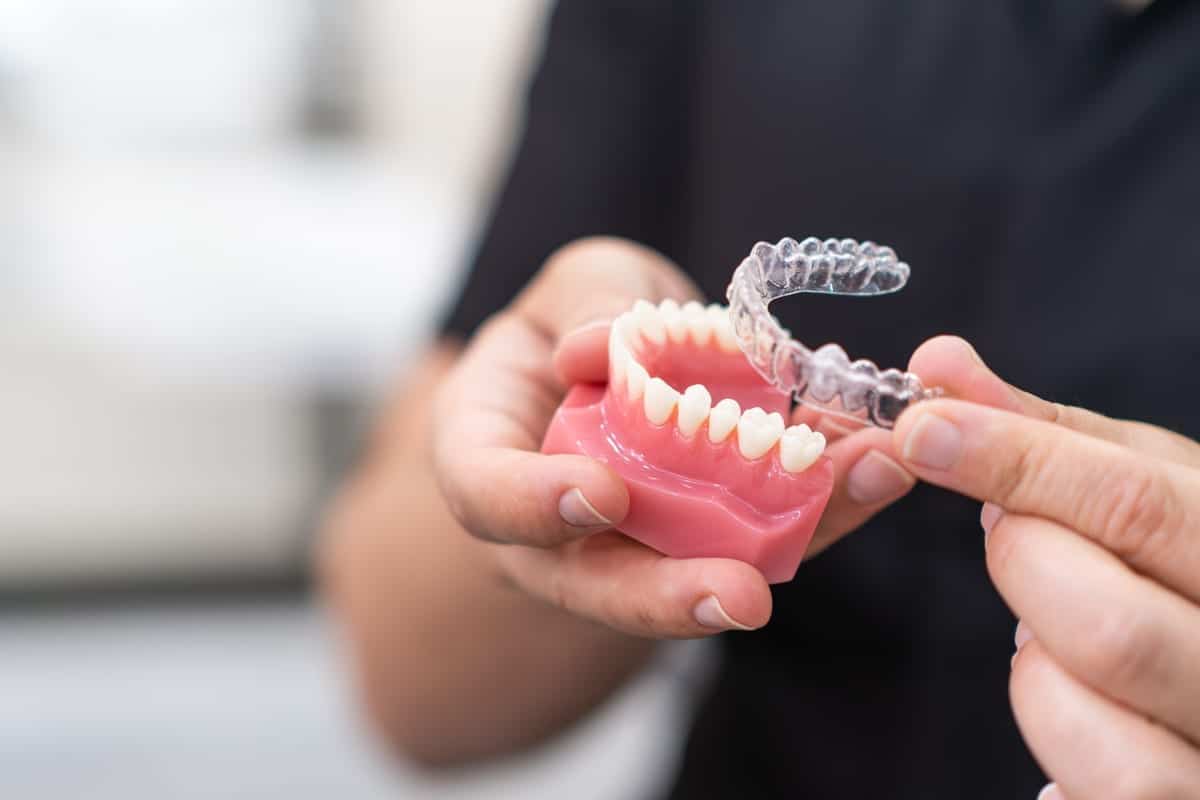
A dental bridge is a fixed restoration that fills the gap left by a missing tooth. It uses the teeth on either side of the gap as anchors, supporting an artificial tooth in between. The result is a seamless, functional smile that looks and feels natural.
Bridges are a well-established solution within Cosmetic Dentistry. They do more than improve appearances — they restore your ability to chew properly and speak clearly. Many patients are surprised by how much a single missing tooth was affecting their daily life.
Getting a bridge typically involves two visits. The first appointment prepares the anchor teeth and takes impressions. The second places the permanent bridge and ensures a comfortable, secure fit.
The Hidden Costs of Delaying a Dental Bridge in Culver City
Waiting to replace a missing tooth rarely saves money. In fact, the opposite tends to be true. The longer the gap remains, the more complex and costly the treatment needed to correct the damage.
Here is what can happen when you delay:
- Bone loss: The jawbone beneath a missing tooth begins to shrink within months without stimulation from a tooth root.
- Shifting teeth: Neighboring teeth gradually drift toward the gap, affecting alignment and bite.
- Increased decay risk: Tilted and crowded teeth are harder to clean, raising the risk of cavities.
- Gum complications: An open gap can trap bacteria and increase the risk of gum disease.
- TMJ strain: An uneven bite puts extra stress on your jaw joints over time.
Each of these issues adds a layer of complexity to your future treatment. What could have been a straightforward bridge may eventually require additional procedures to address the damage caused by waiting.
How Tooth Loss Affects More Than Just Your Mouth
A missing tooth does not just affect the area around the gap. It creates a ripple effect throughout your entire oral system. Your remaining teeth compensate for the missing one, and that compensation comes at a cost.
Chewing efficiency drops significantly with even one missing tooth. Many patients shift to chewing on one side, which strains the muscles and jaw joint on that side. Over time, this imbalance can lead to jaw pain, headaches, and facial muscle soreness.
There is also a confidence dimension that should not be overlooked. Research consistently links visible tooth loss to reduced self-esteem and social withdrawal. A complete smile supports your willingness to speak, laugh, and engage confidently with others.
Nutritional choices also shift when chewing becomes difficult. Patients often avoid harder, healthier foods and gravitate toward softer, processed options. This subtle dietary change can affect overall health in ways that reach far beyond the dental chair.
Why the Right Time Is Sooner Than You Think
One of the most common reasons patients delay a bridge is uncertainty about the process. They are not sure what to expect, how long it will take, or whether the result will feel natural. These are completely valid concerns — and they are worth addressing directly.
Modern dental bridges are remarkably comfortable and durable. With proper care, they can last ten to fifteen years or longer. The procedure itself is straightforward and well-tolerated by most patients. For those with dental anxiety, our team also offers Sedation Dentistry options to make the experience as comfortable as possible.
The placement process involves minimal discomfort. Local anesthesia ensures you feel nothing during preparation. Most patients return to normal activity the same day.
Bridges also work in combination with other restorations. If the anchor teeth have damage or decay, Dental Crowns can be placed on those teeth while simultaneously supporting the bridge. This integrated approach can restore multiple areas of concern in fewer visits.
What to Expect When You Come In for a Consultation
If you have a missing tooth and have been putting off treatment, a consultation is the best first step. There is no commitment required — it is simply a conversation about your options.
During your visit, our dental team will:
- Examine the gap and surrounding teeth thoroughly
- Take X-rays to assess bone health and neighboring tooth condition
- Discuss whether a bridge, implant, or combination treatment suits your needs best
- Walk you through the timeline, process, and what results you can expect
You will leave with a clear picture of your situation and a path forward. Many patients find that the consultation alone relieves a great deal of the anxiety they had built up around the procedure.
Our Culver City location is conveniently accessible for patients throughout Los Angeles. We prioritize clear communication and patient comfort at every step.
Protecting Your Long-Term Oral Health
A dental bridge is not just about filling a gap. It is about protecting everything around that gap from further damage. Acting sooner preserves more of your natural tooth structure, your bone, and your bite alignment.
The real cost of delay is not always financial — though that cost is real. It is also the accumulated damage to your health, your comfort, and your quality of life. Understanding why delaying a dental bridge costs you more than money in Culver City means recognizing that your oral health is interconnected with everything else.
Pearl Dental Culver City is here to help you take that first step with confidence. Our team approaches every patient with care, clarity, and a commitment to lasting results. Book Now to schedule your appointment with our team.
Frequently Asked Questions
How soon after tooth loss should I get a dental bridge?
Ideally, you should explore your options as soon as possible after losing a tooth. Most dentists recommend waiting until the area has healed — typically a few weeks to a few months — before placing a bridge. However, the sooner you begin the consultation process, the better you can protect the surrounding teeth and bone.
Will delaying a bridge make the procedure more complicated?
Yes, it often does. When neighboring teeth shift or bone loss occurs, additional preparatory work may be needed before a bridge can be placed. This can increase both the number of visits required and the overall complexity of treatment. Acting earlier tends to result in a simpler, more straightforward process.
Is a dental bridge painful to get?
Most patients experience little to no discomfort during bridge placement. Local anesthesia is used throughout the procedure. Some mild soreness after the appointment is normal and typically resolves within a day or two. Patients with dental anxiety can discuss sedation options with our team beforehand.
How long does a dental bridge last?
With proper care, a dental bridge can last ten to fifteen years or more. Good oral hygiene, including regular brushing, flossing under the bridge, and routine dental check-ups, significantly extends the life of the restoration. Avoiding hard or sticky foods also helps preserve the bridge over time.
Can I get a bridge if multiple teeth are missing?
In some cases, yes. A bridge can span more than one missing tooth, though the design depends on the specific location and the health of the anchor teeth. For larger gaps or areas where bone loss has occurred, dental implants may be recommended as an alternative or complementary solution. Our team will evaluate your unique situation and recommend the most appropriate approach.